Silent Spins: I Played 200 Rounds With the Volume Off and My Wallet Noticed

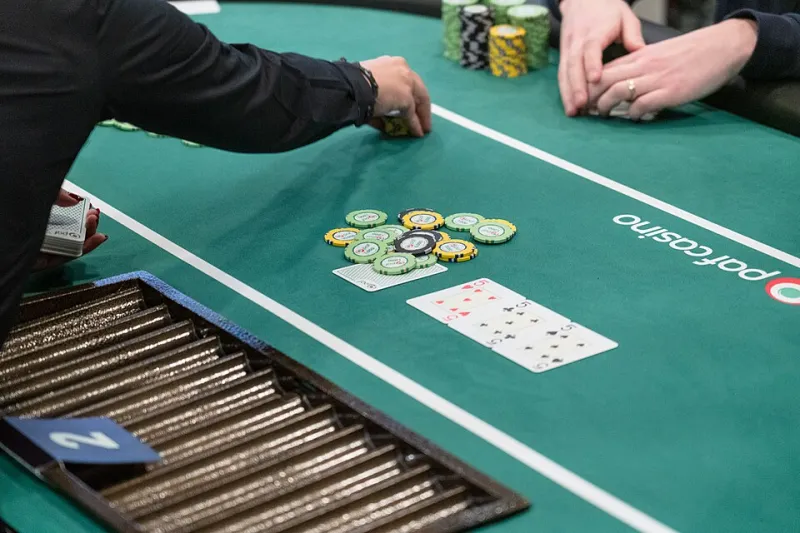
Photo: BLMUtah, Public domain, via Wikimedia Commons
There's a button on every slot machine — online and in the casino — that nobody talks about: mute. Most casual players never touch it. The reels spin, the chimes ring, the fanfare blares, and we assume that's just part of the show.
But here's the thing. Those sounds aren't there to entertain you. They're there to spend for you.
I wanted to know what happens when you take the audio out of the equation, so I ran a little experiment over two evenings: 200 spins total, same game, same $40 budget split across two $20 sessions. One night with sound on. One night with it off. Here's what happened — and how you can run the same test on your next session.
Why Slot Audio Is Doing More Work Than You Think
Game designers have known for decades that audio is one of the most powerful tools in the cabinet. A few tricks worth naming:
- The celebration cascade. Big win? Sure, celebrate. But modern slots also play celebratory jingles for wins smaller than your bet. You wager $1, get back 40 cents, and the machine throws you a little party. Researchers call these "losses disguised as wins," and the sound is what sells the disguise.
- The near-miss sting. Two jackpot symbols land and the third one teases past. That rising whoosh and dramatic pause? It's engineered to make a non-event feel like an almost-event, nudging you toward "one more spin."
- The ambient hum. Even between spins, background loops keep your brain in a low-level state of engagement — the same reason you don't notice time passing in a casino with no windows or clocks.
None of this changes the math. RTP and volatility are locked in. But sound absolutely changes behavior — how long you play, how you feel about losses, and whether you talk yourself into a reload deposit.
The Experiment: 200 Spins, Two Nights
Night one — sound on. I played a popular five-reel slot with a $20 budget at 40 cents a spin. The session lasted about 34 minutes. I finished with $6.40 left. Notable detail: I took a screenshot of my balance at what felt like the halfway point, and I'd genuinely believed I was "around even." I was down $7. The celebration sounds for those sub-bet wins had rewired my memory of the session.
Night two — sound off. Same game, same bet size, fresh $20. This session lasted about 41 minutes — not because I won more, but because I paused more. Without the audio pulling me from spin to spin, I'd stop, look at my balance, check my phone, and decide whether to keep going. I finished with $9.10. And my notes were more accurate: I logged my real balance at the halfway point within 60 cents.
Two sessions prove nothing statistically — the variance in slots is enormous, and a $2.70 difference could easily be luck. But the behavioral differences were consistent and repeatable in a way that raw outcomes aren't:
- Longer decision gaps between spins with sound off.
- More accurate self-assessment of where I stood.
- Lower urge to chase. The near-miss whoosh is genuinely persuasive when you hear it. It's much easier to shrug at when you don't.
Try It Yourself: The 10-Minute Mute Test
You don't need 200 spins to get something out of this. Here's a version that fits into a casual weeknight:
- Play 10 minutes with sound on. Before you start, write down your starting balance. When the timer ends, write down your ending balance — before you look at it. Then check. Note the gap between your guess and reality.
- Take a five-minute break. Water, coffee, whatever.
- Play 10 more minutes with the volume muted. Same routine: guess your ending balance, then check.
Most people who try this notice the same thing I did: with sound on, you feel richer than you are. With sound off, the numbers get louder than the jingles.
So Should You Always Play Muted?
Not necessarily — and honesty matters here. Slots are entertainment, and if the music and sound effects are part of the fun you're paying for, that's a legitimate choice. Plenty of casual players would rather have the full sensory experience for 30 minutes than a sterile one for 40.
The smart move is knowing which mode serves which goal:
- Playing for vibes and a fun Friday night? Sound on, budget set, enjoy the show.
- Playing to stretch a small bankroll or keep a losing streak from snowballing? Mute it. Silence is free, and it's the cheapest loss-limit tool on the machine.
The mute button doesn't change the odds. It changes you — and for a casual player, that's the part you actually control.