That Complimentary Drink Costs More Than You Think: A Casual Player's Guide to Hidden Casino Etiquette Costs
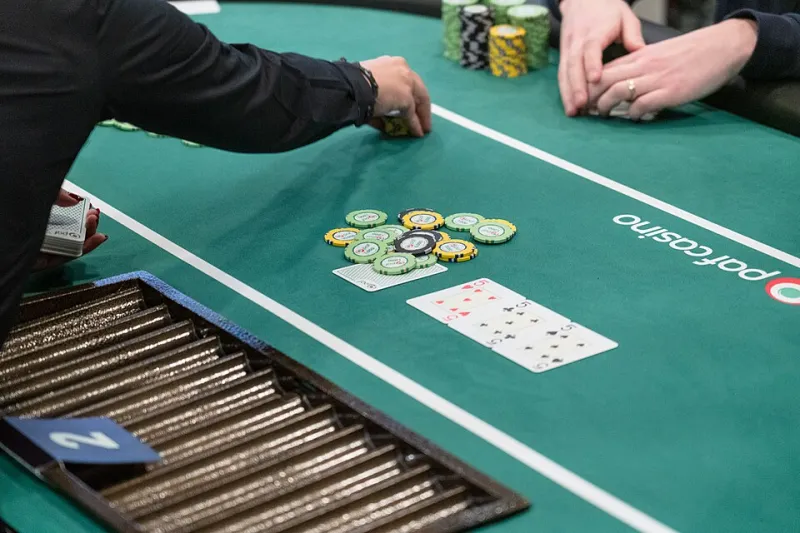
Photo: Paf - Games Sport Casino, CC BY 2.0, via Wikimedia Commons
Here's a scene that plays out at every casino in America on a Saturday night. A guy wins $200 at blackjack, feels like a high roller, and tips the dealer $20. Then the cocktail server comes by. Then the valet. Then the guy who brought his drink. By the time he cashes out, his $200 win has quietly become $140 — and he never made a conscious decision about any of it.
Nobody hands you a price list for casino etiquette. But the costs are real, they're predictable, and once you know them, you can plan for them instead of being ambushed by them.
The Tip Economy Nobody Explains
Let's start with the table games, because that's where the expectations are strongest.
When you're having a good run at blackjack or craps, tipping the dealer is genuinely expected. Not legally required — but socially, at a US casino? Yes. The standard move is $5 here and there during a good session, or placing a small bet "for the dealers" so they share in your luck. Over a couple hours of play, most people end up down $10–$30 in tips without ever thinking about it as a line item.
Cocktail service is the other classic. Those "free" drinks while you play? The server is working for tips, and $1–$2 per drink is the norm — more if you're feeling generous or ordering something complicated. Four drinks over a session and you've spent $10 you didn't budget, plus whatever effect those drinks have on your decision-making (which, let's be honest, is its own hidden cost).
Then there's the long tail: valet parking ($5–$10 if you want it back before Christmas), the poker room's rake and toke culture, the buffet server, the hotel housekeeper if you're staying overnight. Individually, all small. Together, they can eat 10–20% of a casual player's entertainment budget.
Tribal Casinos Play by Their Own Rules
If you're gambling in Oklahoma, Minnesota, Washington, or California, chances are you're at a tribal casino — and the etiquette math can look a little different.
Many tribal properties have different tipping cultures than Vegas or Atlantic City. At some, table minimums are low but the expectation to tip dealers is strong. Service structures vary a lot too — some tribal casinos run drink service differently, and a few states restrict complimentary alcohol entirely, which means you're buying your beverages outright. That's actually more honest pricing, if you think about it: you see the cost instead of burying it in a tip.
The practical takeaway is the same everywhere, though: the perks are part of the business model, not a gift. The casino gives away drinks and free play because the math says they get it back. Your job is just to know what your share of that math is.
Online Casinos Don't Have Valets. They Have Something Else.
Now here's where it gets interesting. Go online and suddenly nobody expects a tip. The dealer is a video stream, the cocktail server doesn't exist, and parking is free because there's no parking. Clean, right?
Not exactly. Online casinos just swap the tip jar for other line items:
- Withdrawal fees. That $2.99 the cocktail server got? Some online cashiers charge $10–$30 for certain payout methods, or free withdrawals only on a slow tier.
- Deposit fees and payment processing quirks. Depending on the method, a slice of your deposit can evaporate before you ever place a bet.
- Wagering requirements on bonuses. A "$100 free play" bonus with 30x playthrough can cost you far more in locked-up funds than any night of tipping ever would.
- Currency conversion and inactivity fees, for the truly casual player who logs in twice a year.
The land-based casino hides its costs in social norms. The online casino hides them in the terms and conditions. Same trick, different costume.
How to Budget for the Invisible Stuff
At Moyo Casino, we're big believers that a casual player's bankroll should include the whole experience, not just the bets. So here's the simple version:
Set a tip budget before you walk in. Call it 10% of your gambling budget. If you brought $100 to play with, you've got $10 for the dealer, the drinks, and the valet. When it's gone, you've tipped your last — and nobody at the table is keeping score of your generosity. They genuinely aren't. Dealers see hundreds of players a night.
Tip in small increments, not big ones. A $5 bet for the dealers feels good and costs less than a guilt-driven $20 at the end of a hot streak. Spreading it out also keeps you from over-tipping based on how good you feel in the moment — which, after a couple of comped drinks, is not a reliable narrator.
Read the online cashier before the bonus page. If a site charges for withdrawals or has brutal playthrough requirements, that's your "etiquette cost" — you're just paying it to the casino instead of the cocktail server. Compare the total cost of playing, not the headline offer.
Skip what you don't value. Valet is optional. So is the $9 airport-style beer at the cage bar. The only etiquette that's genuinely non-negotiable is basic decency to the people serving you — and decency scales to your budget.
The Honest Math
Is all this a scam? No. Tipping culture in American casinos is how service workers make a living in an industry where their base pay assumes tips. Treating the people who bring your drinks like they're invisible is not a budgeting strategy; it's just being cheap in a way that makes everyone's night worse.
But there's a difference between generosity and unawareness. The casual player who budgets $100 for the night and thinks the drinks were free is doing the same math as the one who claims a big bonus without reading the playthrough. Both are spending money they didn't count.
So count it. Give yourself a tips line, a drinks line, a fees line. Then enjoy the free play — because now it actually is free. You already paid for it on purpose.